

Istanbul sits at the crossroads of Europe and Asia, and that geographic identity bleeds directly into how people decorate their homes. Walk through any neighborhood — from the leafy streets of Nişantaşı to the waterfront apartments of Kadıköy — and you will see a city that refuses to settle on a single aesthetic. Ottoman heritage, Mediterranean warmth, Scandinavian restraint, and bold contemporary statements all coexist here, sometimes within the same living room.
If you are planning a renovation, furnishing a new apartment, or simply curious about what Istanbul homeowners are gravitating toward in 2026, this guide breaks down the design styles shaping the city's interiors right now — and explains why each one works so well in this particular corner of the world.
1- The East-Meets-West Layered Look
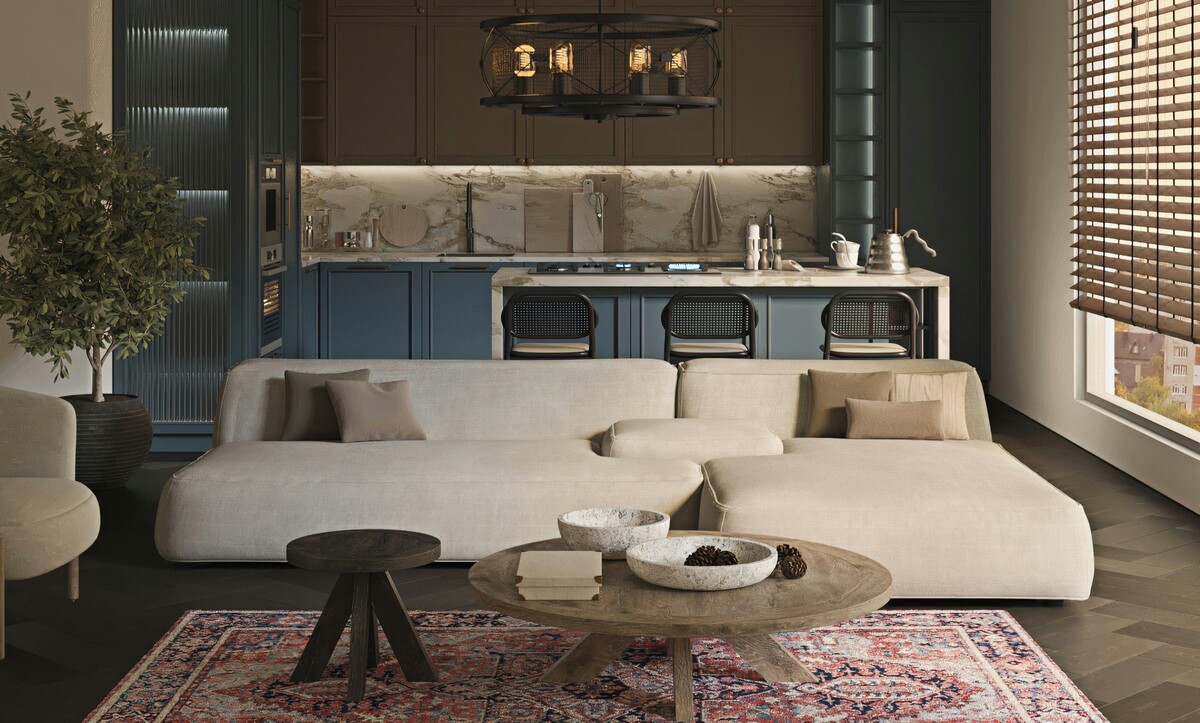
No other city on Earth can pull this off quite like Istanbul. The East-meets-West layered style takes clean, modern lines — think low-profile sofas, simple shelving, and neutral wall colors — and weaves in traditional Turkish elements such as handwoven kilims, Iznik-inspired tile accents, and Ottoman geometric patterns.
The result feels intentional rather than cluttered. A sleek concrete dining table sits on top of a vintage Anatolian rug. A minimalist hallway features a single piece of hand-painted ceramic art. The trick is restraint: you pick a few cultural pieces and let them breathe against a calm, modern backdrop.
This approach has exploded in popularity among young professionals and expats who want their Istanbul home to feel rooted in the city's history without looking like a museum. If you are curious about how different styles can transform an Istanbul apartment, this guide to apartment design approaches offers a solid starting point for narrowing down your preferences.
2- Biophilic Design: Bringing Nature Indoors
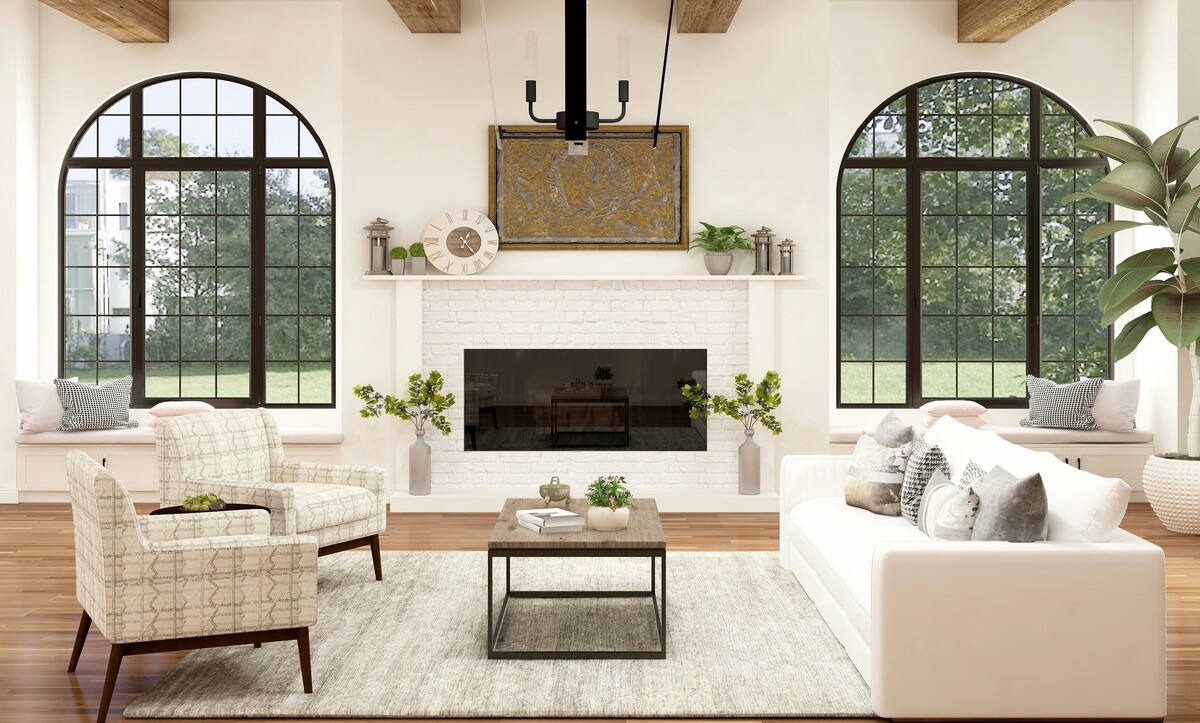
Istanbul is a dense, fast-moving metropolis, and many residents are craving a counterbalance. Biophilic design — the practice of integrating natural materials, greenery, and organic textures into interior spaces — has moved from niche trend to mainstream staple across the city.
You will see it everywhere now: living walls in Beşiktaş coffee shops, rattan light fixtures in Cihangir apartments, untreated oak shelving in Levent offices. The materials of choice are stone, linen, raw wood, and clay, often paired with large indoor plants and plenty of natural light.
What makes biophilic design especially fitting for Istanbul is the local materials market. Turkey produces an extraordinary range of natural stone — from Afyon White marble to Aegean grey-veined varieties — and the domestic timber and textile industries mean that sourcing organic, high-quality materials does not require expensive imports. A designer working in Istanbul can visit quarries, select individual slabs, and maintain quality control in a way that would be far more difficult in London or New York.
The philosophy behind biophilic interiors is simple: when your home feels connected to nature, you feel calmer. In a city of sixteen million people, that matters.
3- Contemporary Minimalism with a Turkish Accent
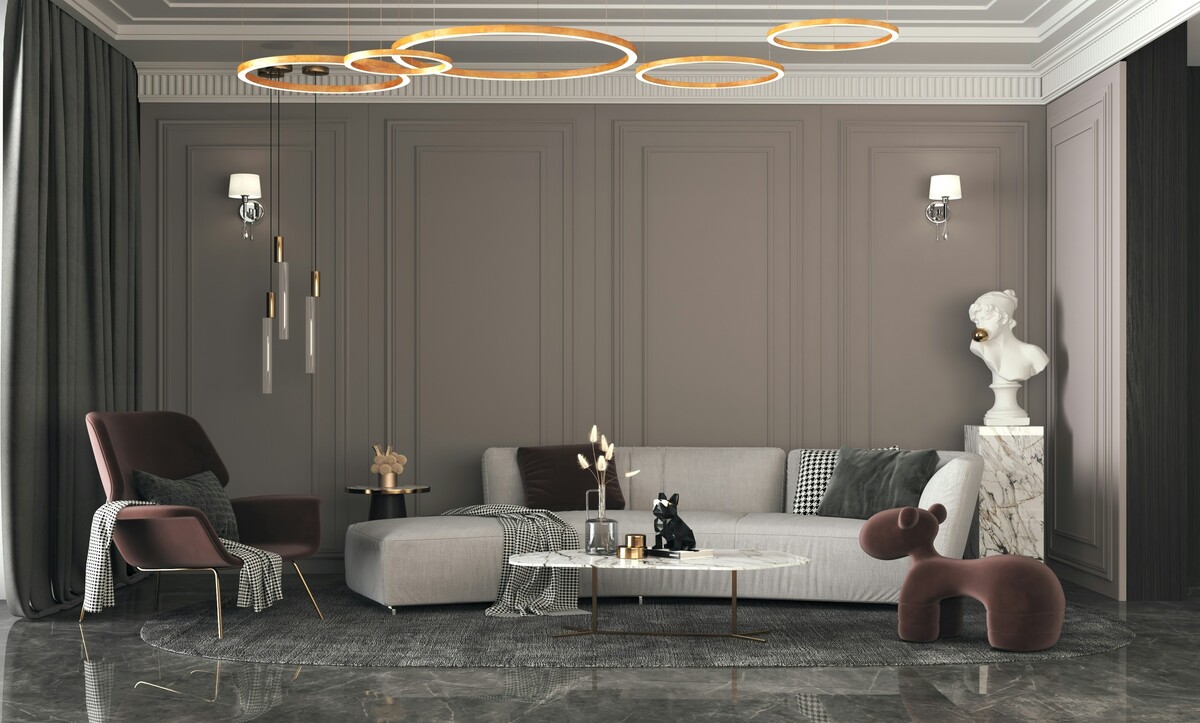
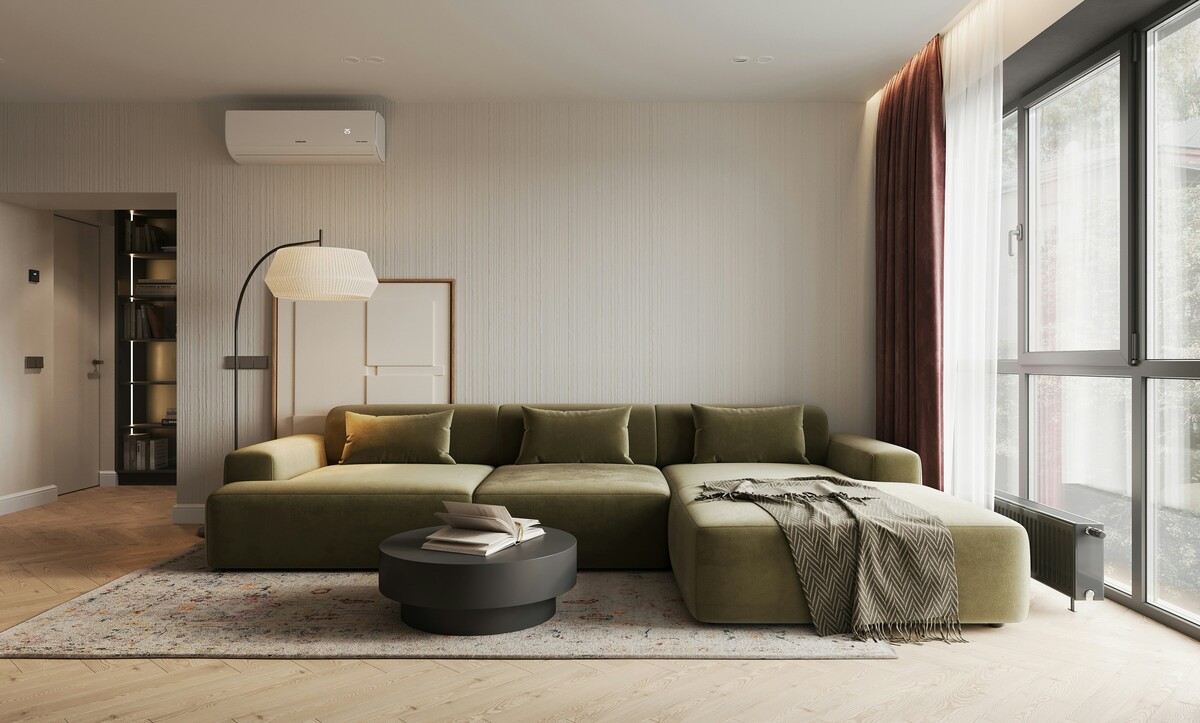
Pure minimalism — the kind you see in a Tokyo apartment or a Copenhagen studio — can sometimes feel cold or impersonal. Istanbul designers have adapted the style by keeping the clean lines and clutter-free surfaces but introducing warmth through locally sourced materials and a slightly richer color palette.
Instead of stark white walls, you get chalk, sand, and mushroom tones. Instead of laminate furniture, you get oiled walnut or brushed oak. Brass hardware, fluted glass cabinet fronts, and bronzed mirrors add quiet texture without breaking the minimalist discipline. The spaces feel calm and spacious, but never sterile.
This style works particularly well in Istanbul's smaller apartments, where maximizing light and airflow is a practical necessity. Open-plan layouts with moveable partitions and built-in storage have become standard features in many new developments, especially in neighborhoods like Ataşehir and Başakşehir where younger buyers are purchasing their first homes.
For homeowners weighing the financial side of a minimalist renovation, understanding what design projects actually cost in Istanbul can help set realistic expectations before committing to a brief.
4- Mediterranean Warmth
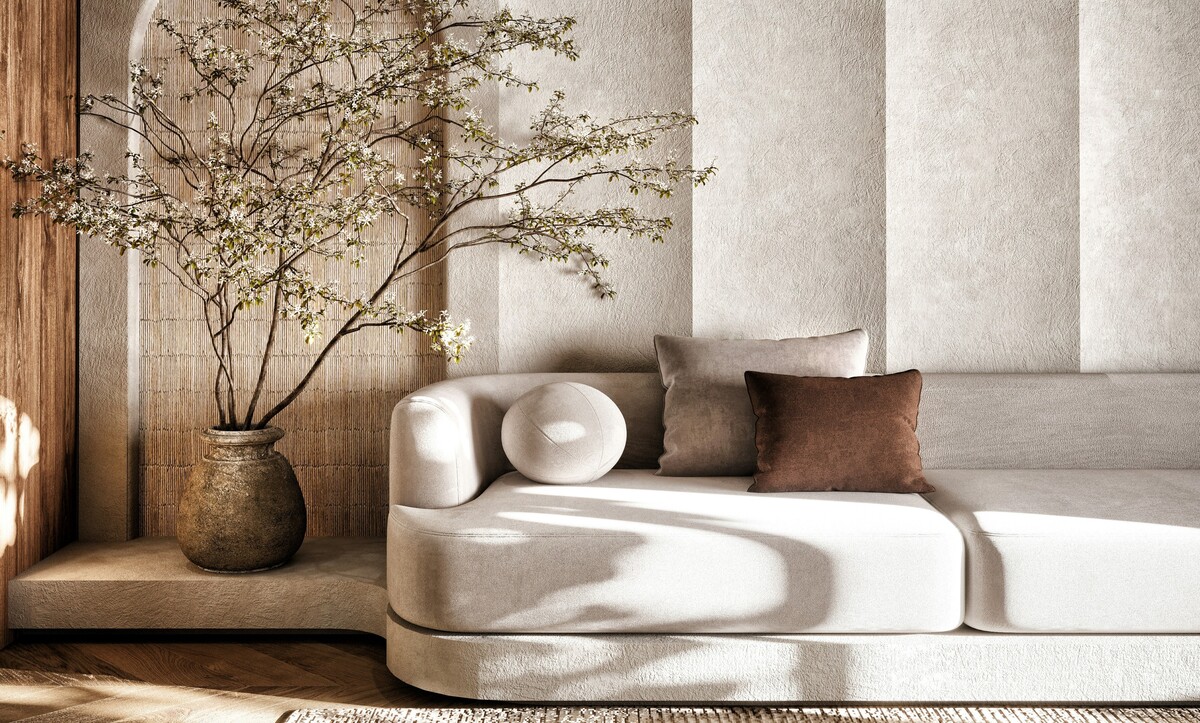
Given Istanbul's coastal geography and mild climate, it is no surprise that Mediterranean interiors remain a perennial favorite. This style draws on the sun-soaked aesthetics of Southern Europe and the Turkish Aegean: terracotta floor tiles, whitewashed walls, arched doorways, wrought-iron details, and generous use of natural textiles like cotton and linen.
Color palettes lean toward warm earth tones — burnt sienna, olive green, dusty rose — with occasional pops of deep blue inspired by the Aegean Sea. Furniture tends to be solid and tactile: a chunky wooden dining table, woven rattan chairs, a linen-covered daybed.
What keeps this style feeling fresh in 2026 rather than dated is the way Istanbul designers mix Mediterranean elements with contemporary proportions. You might see a traditional arched niche set into a wall of polished concrete, or a vintage Turkish copper tray used as a coffee table in an otherwise modern living room. The contrast between old-world warmth and modern structure gives the space energy and personality.
5- Art Deco Revival
Art Deco has made a strong comeback in Istanbul, particularly in the historic European-side neighborhoods where early twentieth-century apartment buildings already carry traces of the original movement. Beyoğlu, Galata, and Şişli are full of buildings with ornate plasterwork, geometric floor tiles, and curved balconies — details that lend themselves naturally to an Art Deco interior.
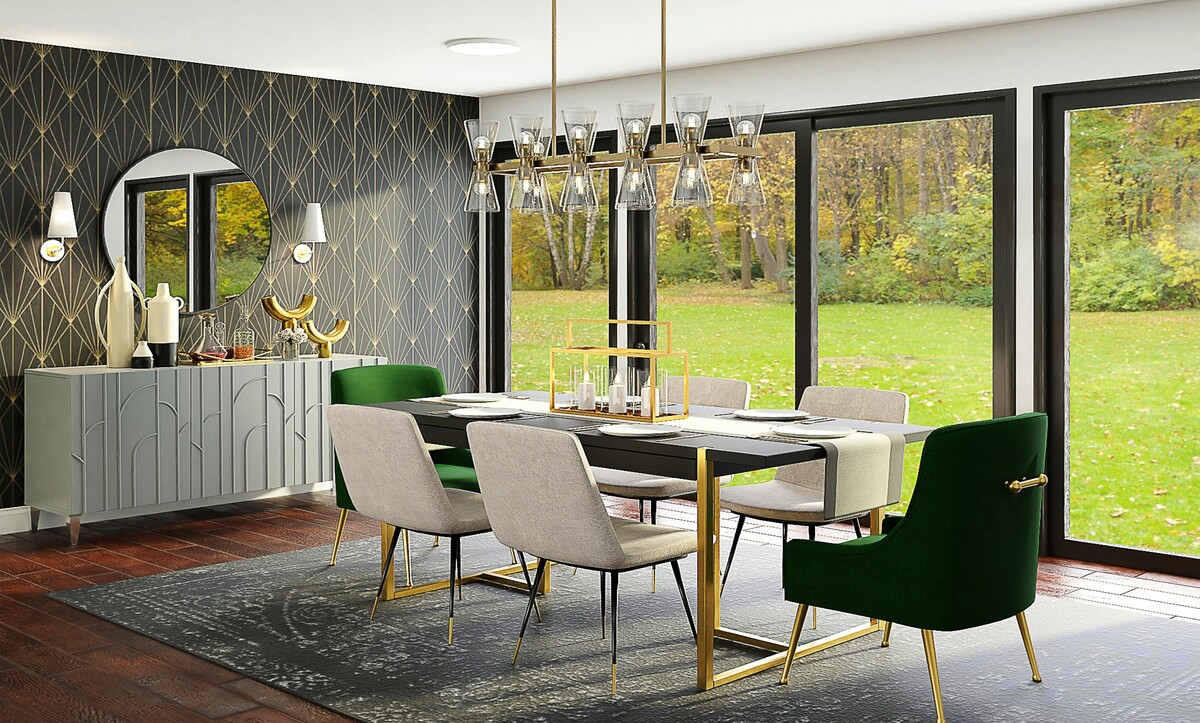
The modern Istanbul interpretation leans toward jewel-toned velvets (emerald, sapphire, deep burgundy), geometric wallpaper, brass and gold-toned fixtures, and statement furniture with sculpted silhouettes. Mirrors, lacquered surfaces, and dramatic lighting are key. The overall feeling is glamorous but livable — a cocktail bar atmosphere translated into a residential setting.
This style tends to appeal to homeowners who want their space to make a strong visual impression. It pairs especially well with Istanbul's vibrant dining and entertaining culture, where hosting guests at home is a central part of social life.
6- Bosphorus-Inspired Palettes
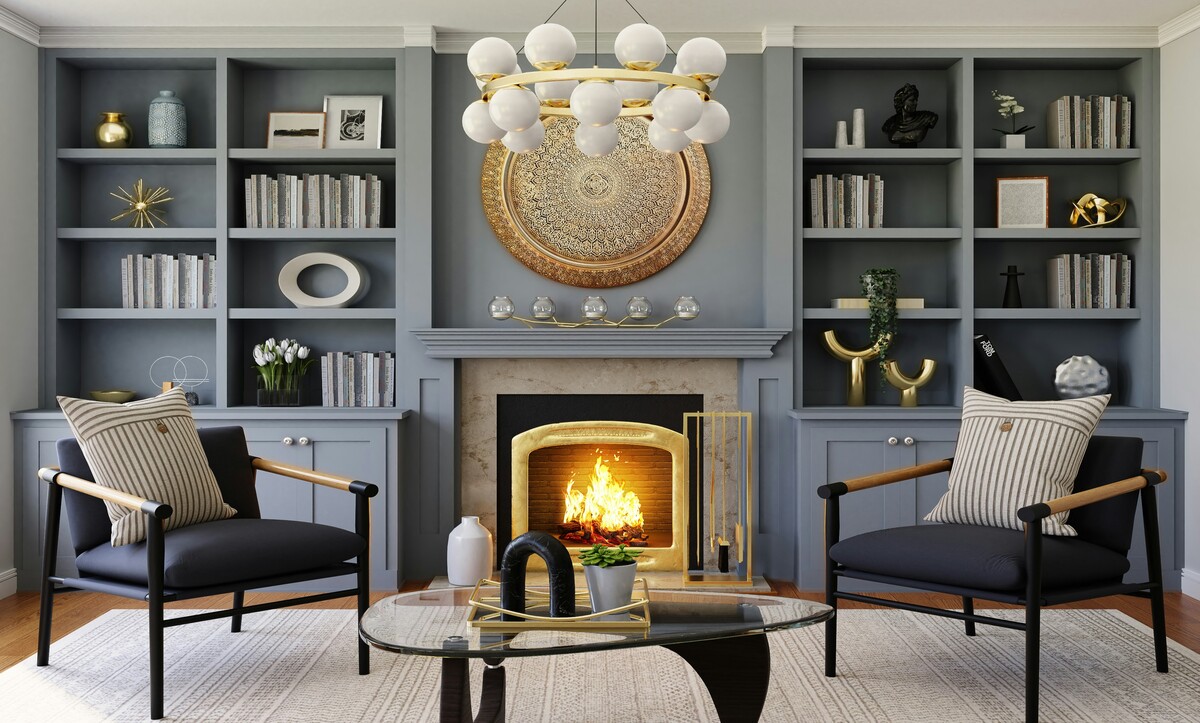
This is perhaps the most distinctly Istanbul trend on the list. Designers are increasingly drawing direct color inspiration from the Bosphorus strait — the shifting blues of the water, the sandy neutrals of the historic waterfront buildings, the deep terracotta of Ottoman-era rooftops, and the silvery grey of winter fog over the strait.
These palettes feel grounded and atmospheric, very different from the generic grey-and-white schemes that dominated global interior design for much of the last decade. They connect a home to its specific place in the world, which is something that residents of this city care deeply about.
For those fortunate enough to actually live along the Bosphorus, the design challenges become even more specific. The way water reflects light at different times of day, the orientation of windows, and the architectural constraints of older waterfront buildings all demand a thoughtful approach. If you are drawn to the idea of designing around a water view, exploring how designers tackle Bosphorus-facing interiors reveals just how nuanced these projects can get.
7- Bohemian Eclectic
Istanbul has always attracted artists, writers, and free spirits, and the bohemian interior style remains alive and well — particularly in neighborhoods like Cihangir, Moda, and Balat. This is the most personal of all the styles on this list, built around collected objects, mismatched patterns, layered textiles, and a refusal to follow any single set of rules.
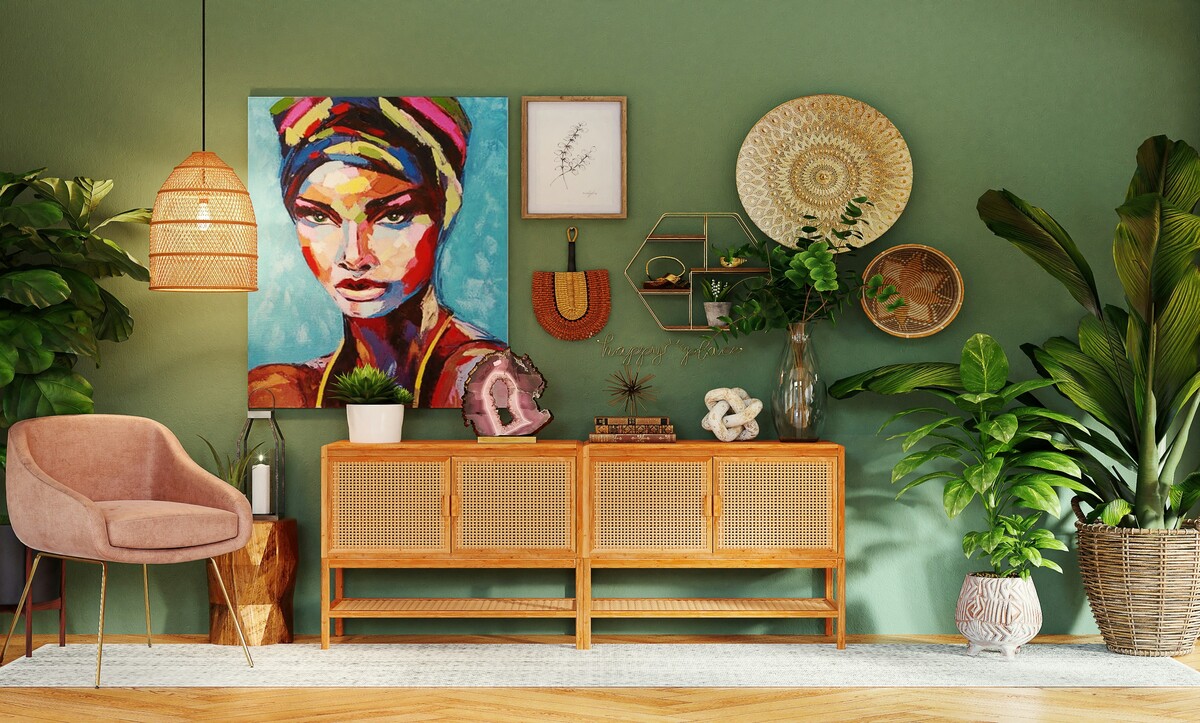
A bohemian Istanbul apartment might feature a Moroccan-style rug next to a mid-century Danish armchair, a wall of framed prints collected from the Grand Bazaar, and shelves lined with ceramics picked up during trips along the Aegean coast. Indoor plants, macramé, vintage lighting, and handmade cushions round out the look.
The key to making bohemian style work — rather than just look chaotic — is developing a loose color story and sticking to it. Even the most eclectic rooms need some visual thread holding them together, whether that is a recurring shade of indigo, a consistent use of warm metallics, or a preference for natural fiber textures.
8- Smart Contemporary
At the other end of the spectrum, a growing segment of Istanbul homeowners — particularly in newer developments along the Maslak-Sarıyer corridor and in upscale Bağdat Caddesi apartments — are embracing fully contemporary interiors built around smart home technology.
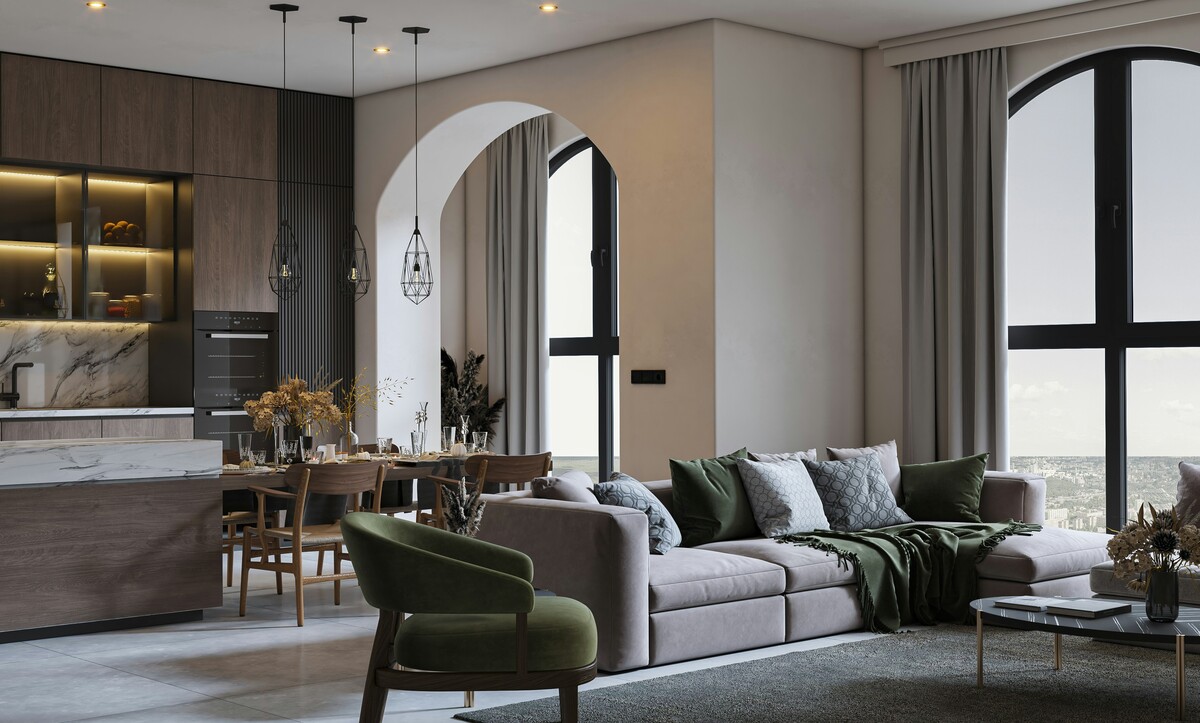
Automated lighting, motorized blinds, integrated sound systems, and app-controlled climate systems are becoming standard in high-end renovations. The design language that accompanies this technology is sleek and restrained: neutral color schemes, handleless cabinetry, flush-mounted fixtures, and large format porcelain surfaces that hide seams and create a seamless visual plane.
This style is less about cultural expression and more about precision, comfort, and efficiency. It appeals to busy professionals who want their home to function smoothly with minimal daily effort, and to property investors who know that smart home features increase resale value in Istanbul's competitive luxury market.
9- Choosing the Right Style for Your Space
The beauty of living in Istanbul is that none of these styles exist in isolation. The city encourages mixing, layering, and borrowing across traditions. A contemporary minimalist kitchen can sit perfectly within a building that has Art Deco bones. A biophilic living room can open onto a balcony furnished in Mediterranean style. If you want to explore how different design directions translate to larger residential properties around Turkey, this look at current villa design trends covers materials, regional influences, and layout strategies in useful detail.
The most important thing is to start with how you actually live — how you cook, how you entertain, how you rest — and let the style follow from there.
Ready to Bring Your Vision to Life?
Whether you are renovating a historic flat in Beyoğlu, furnishing a modern apartment in Ataşehir, or designing a waterfront home along the Bosphorus, working with a design team that understands Istanbul's architecture, materials, and culture makes all the difference.
At Algedra Interior Design, we work with homeowners across Istanbul to create spaces that feel personal, functional, and connected to this extraordinary city. From initial concept to final fit-out, our team handles every detail so you can focus on enjoying your home.
Tell us about your project. Send us a quick email, and one of our designers will get back to you within 24 hours to discuss your space, your style, and your goals. No obligation — just a conversation about what is possible.