

Do you ever scroll through design blogs or Pinterest, admiring homes that effortlessly blend different aesthetics, only to feel a pang of intimidation? The idea of mixing design styles can seem daunting, a fast track to a chaotic, mismatched space rather than a curated haven. But what if we told you that finding your signature style often lies precisely in the art of the blend?
Forget the rigid rules of yesteryear where every piece had to perfectly align with a singular aesthetic. Today's most captivating interiors are those that tell a story, reflecting the homeowner's journey, passions, and evolving tastes. This is where mixing design styles comes in – it's about creating a rich, layered tapestry that feels uniquely you.
But how do you achieve this harmonious fusion without descending into visual anarchy? It's a delicate dance, but with a few guiding principles, you can transform your home into a testament to your personal style, full of unexpected delights and cohesive charm.
1- The Foundation: Understanding Your Core Aesthetic
Before you even think about blending, you need a strong understanding of your foundational style. This isn't about boxing yourself in, but rather identifying the dominant current that will anchor your design. Are you drawn to the clean lines of modernism, the rustic warmth of farmhouse, the global charm of bohemian, or the timeless elegance of traditional?
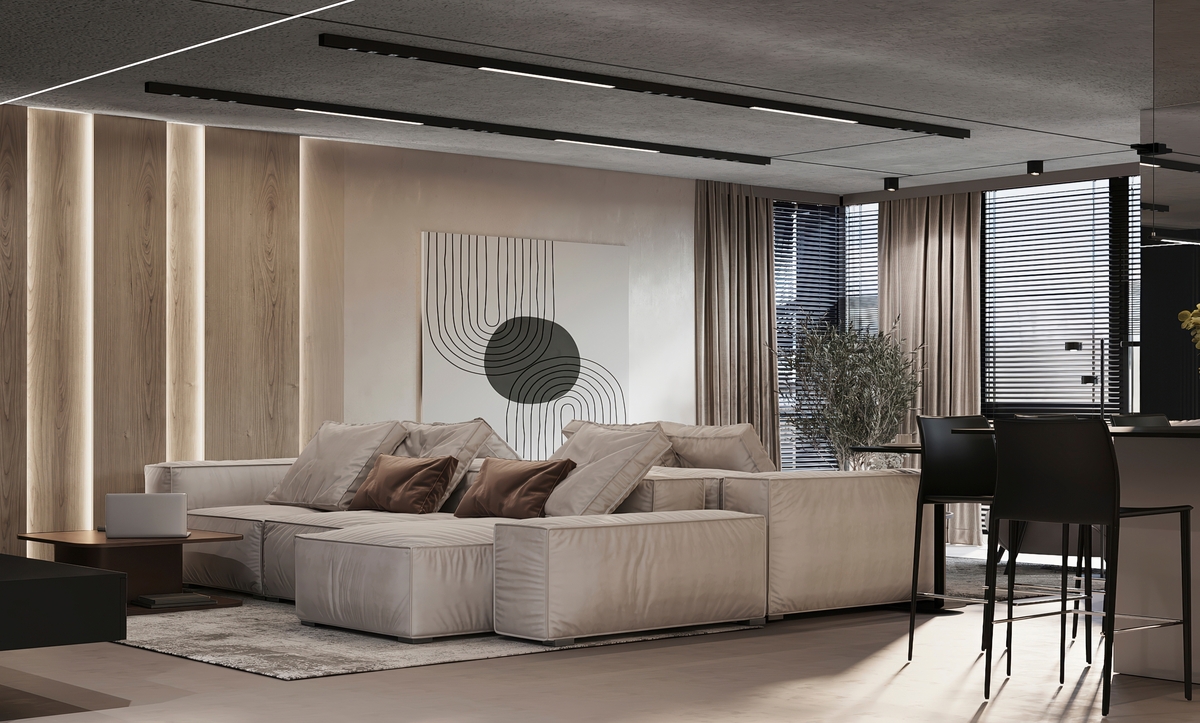
Take some time to gather inspiration. Create a mood board (physical or digital) of rooms, furniture, art, and colors that genuinely speak to you. Don't overthink it at this stage; just collect what resonates. As you review your collection, patterns will begin to emerge, revealing your inherent preferences. This core aesthetic will act as your guiding star, the stylistic "home base" to which all other elements will ultimately relate.
2- The Art of the Blend: Introducing Complementary Styles
Once you have a handle on your core, you can begin to think about introducing complementary styles. The key word here is "complementary." You're not aiming for a jarring juxtaposition but rather a sophisticated dialogue between different aesthetics.
1. Identify Shared Characteristics: The most successful style mixes often involve styles that share an underlying characteristic. For example: * Modern & Mid-Century: Both value clean lines, functionality, and a certain sleekness. * Bohemian & Global: Both embrace natural materials, handcrafted elements, and a sense of wanderlust. * Traditional & French Country: Both lean towards classic forms, warmth, and a touch of antique charm.
Look for commonalities in color palettes, materials, textures, or even historical periods. This shared DNA will help disparate elements feel like they belong together.
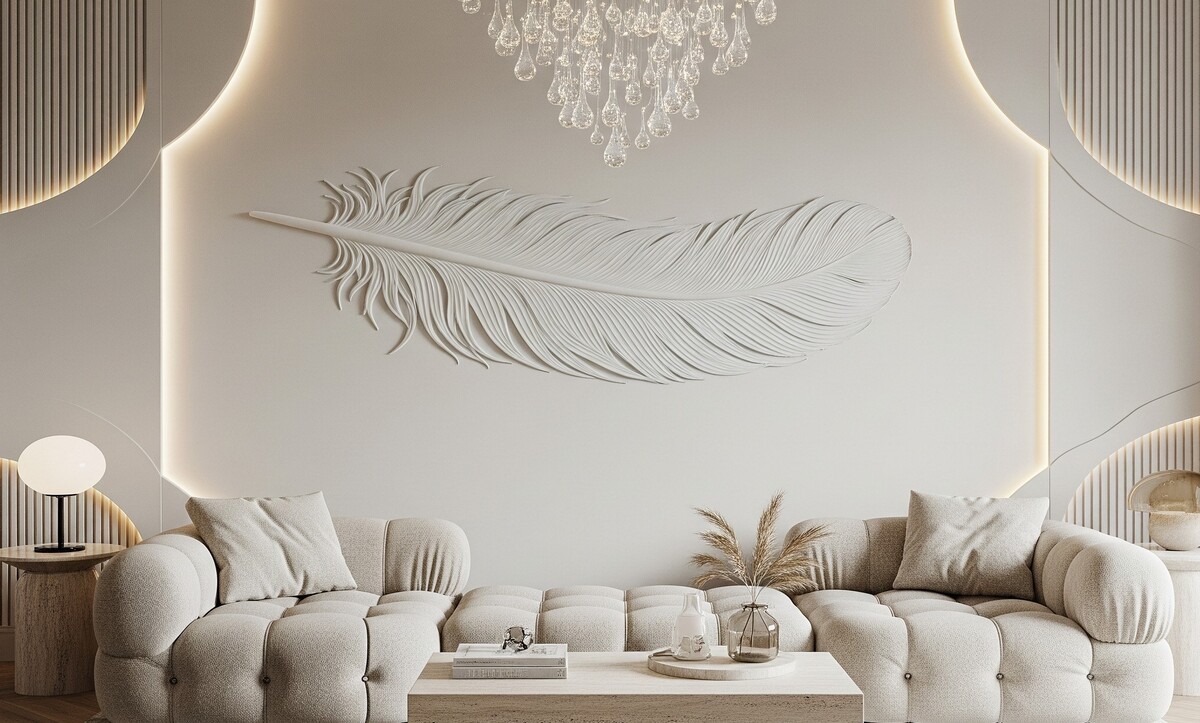
2. The 80/20 Rule (or 70/30): A good rule of thumb for mixing styles is to let one style dominate. Your core aesthetic should make up roughly 70-80% of your space, with the remaining 20-30% dedicated to your complementary styles. This ensures that your space feels grounded and intentional, not haphazard. A predominantly modern living room, for instance, can gracefully incorporate a few antique pieces or a touch of global textiles without losing its modern identity.
3. Focus on a Few Key Elements: You don't need to completely redecorate in a new style. Often, just a few well-chosen pieces can introduce a new aesthetic effectively. A single statement piece of furniture, a collection of art, or a particular texture can be enough to hint at another style without overwhelming the room.
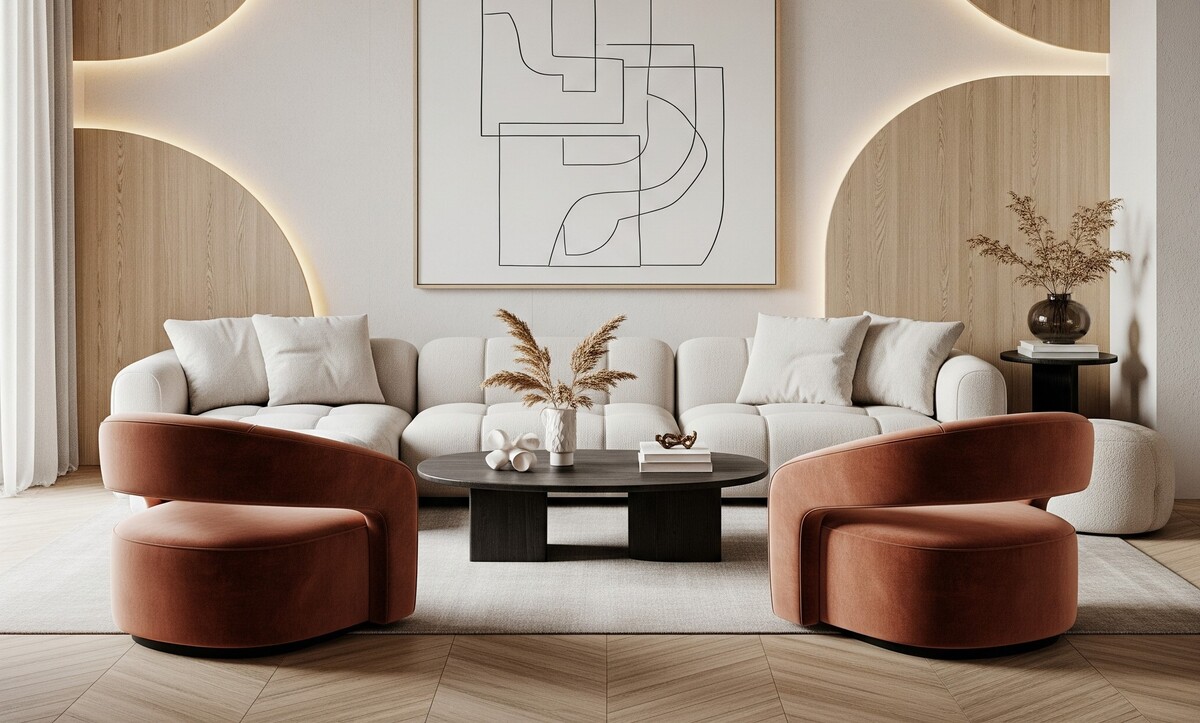
3- The Cohesive Threads: Unifying Elements
Even with complementary styles, you need unifying elements to tie everything together. These are the invisible threads that weave through your space, creating a sense of harmony.
1. The Power of Color Palette: This is perhaps the most crucial unifying element. Choose a cohesive color palette that spans all the styles you're incorporating. You can use a neutral base (whites, grays, creams, beiges) to provide a calm backdrop, then introduce accent colors that appear in various elements throughout the room, regardless of their style origin. For instance, a deep jewel tone cushion on a modern sofa can echo a similar shade in a traditional rug.
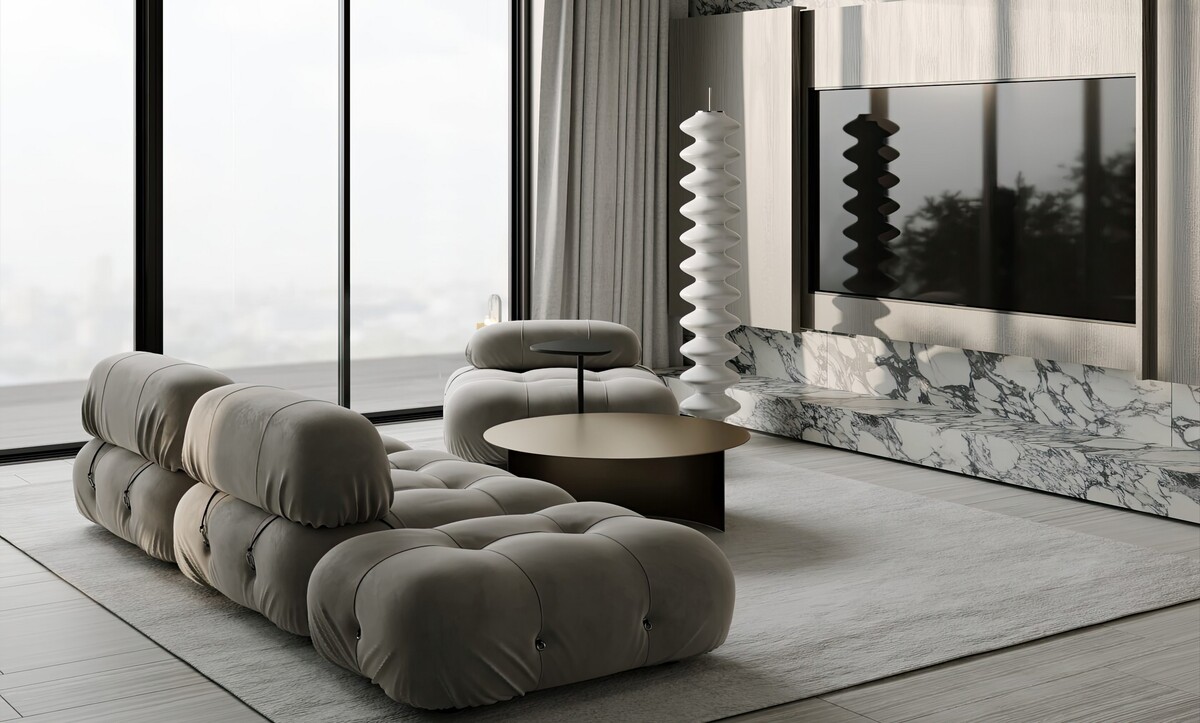
2. Texture, Texture, Texture: Varying textures adds depth and interest without adding more "stuff." A smooth leather sofa, a chunky knit throw, a rough-hewn wooden coffee table, and a plush rug – these different textures create a rich sensory experience that transcends specific style boundaries. They can make diverse pieces feel cohesive simply by providing visual and tactile contrast.
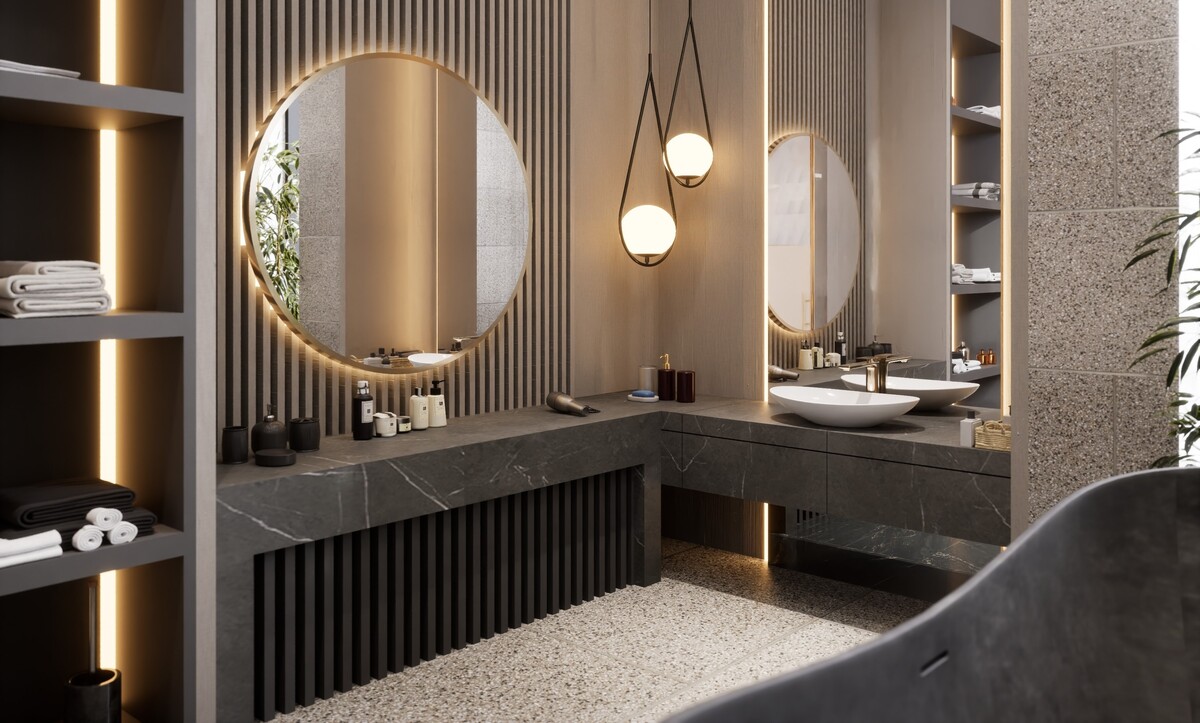
3. Repetition of Materials: Similar to color, repeating certain materials throughout your space can create a sense of unity. If you have a natural wood dining table, consider incorporating smaller wooden elements in other parts of the room, like picture frames, decorative bowls, or accent furniture. The same goes for metals – if you have brass light fixtures, brass hardware on a cabinet can connect the dots.
4. Scale and Proportion: Pay attention to how different pieces relate to each other in terms of size and visual weight. A delicate antique side table might look lost next to a massive, modern sectional. Ensure there's a good balance. A large piece of art can anchor a wall, while smaller, more intricate pieces can fill in gaps without overwhelming the space.
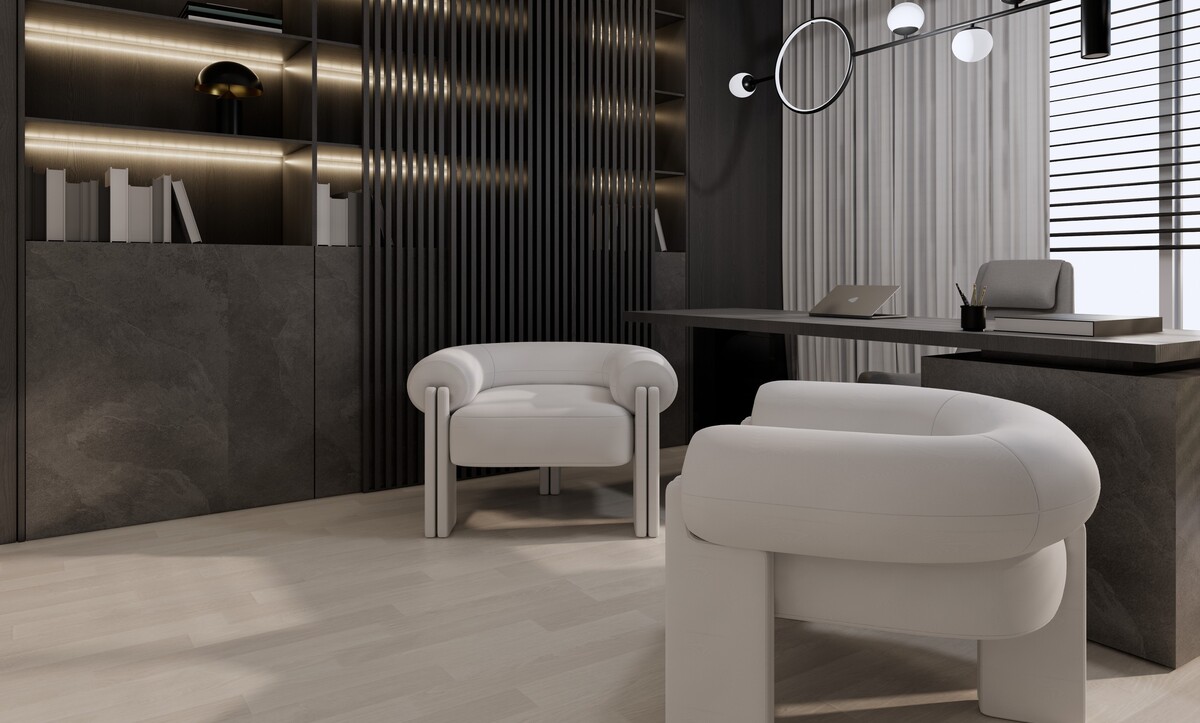
5. Curated Collections & Vignettes: Displaying collections of objects that tell a story – whether it's antique books, travel souvenirs, or ceramics – can bring diverse elements together. Arrange them in thoughtfully composed vignettes. The act of curation itself imposes a sense of order and personal narrative, making disparate items feel purposeful.
4- Common Pitfalls to Avoid
Even with the best intentions, mixing styles can go awry. Here are some common mistakes to sidestep:
- Going Overboard: Resist the urge to include too many different styles. Stick to two or three primary influences to maintain clarity.
- Ignoring Scale: As mentioned, mixing vastly different scales without consideration can make a room feel unbalanced or cramped.
- Clashing Colors: While bold contrasts can work, ensure your overall color scheme is harmonious. A chaotic color palette will make any style mix look unintentional.
- Forgetting Your Core: Always refer back to your foundational style to ensure new additions don't completely derail your initial vision.
- Buying Everything at Once: Good design takes time. Collect pieces gradually, allowing your style to evolve organically. This prevents a "showroom" look and ensures each item feels meaningful.
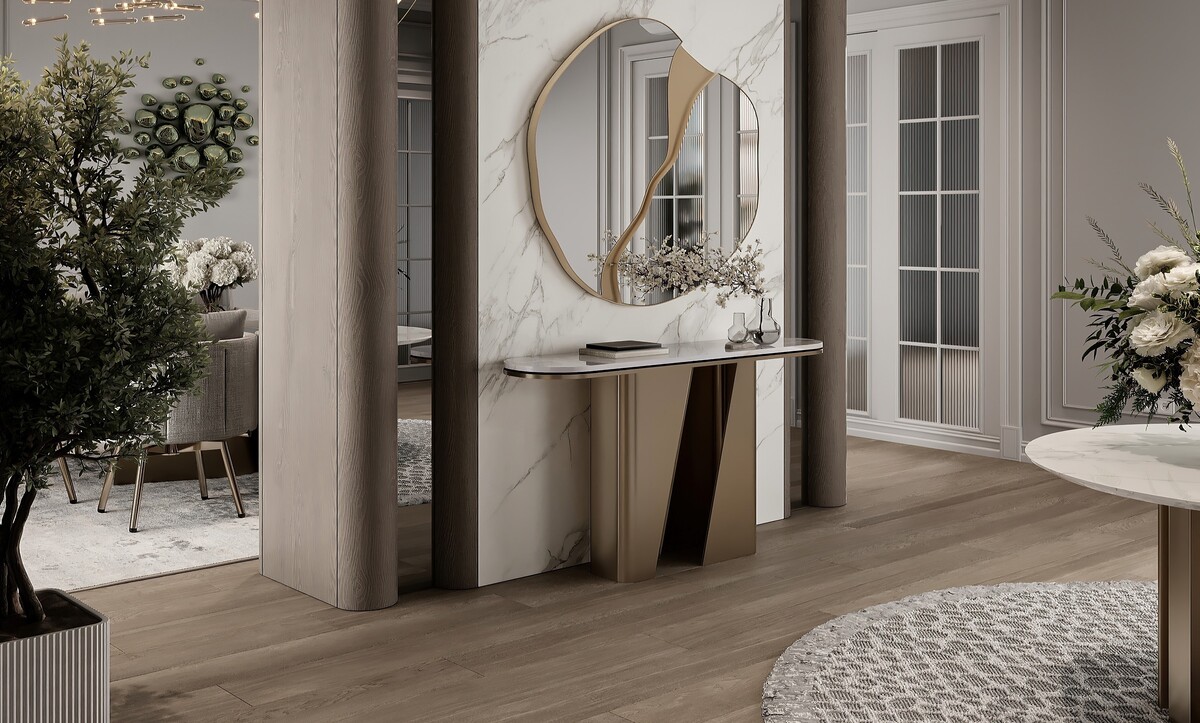
5- Examples of Successful Style Blends
Let's look at a few popular and effective style combinations:
- Modern Farmhouse: This blend combines the rustic warmth of a farmhouse (shiplap, reclaimed wood, vintage elements) with the clean lines and functionality of modern design (minimal decor, neutral palettes, sleek lighting). The result is cozy yet sophisticated.
- Bohemian Glam: Here, the free-spirited, natural elements of bohemian (macrame, global textiles, rattan) meet the luxurious touches of glam (velvet, metallics, mirrored surfaces). It's a rich, eclectic mix that feels both relaxed and opulent.
- Industrial Chic: Industrial's raw, utilitarian aesthetic (exposed brick, metal, concrete) gets softened and elevated with more refined "chic" elements (plush rugs, sophisticated artwork, elegant lighting). The contrast creates a dynamic and edgy yet comfortable space.
- Scandinavian Eclectic: The minimalist, light-filled, and functional principles of Scandinavian design serve as a backdrop for carefully chosen, more vibrant, and unique "eclectic" pieces from different eras or cultures. This allows personality to shine without overwhelming the calm Scandi base.
6- The Journey to Your Signature Style
Finding your signature style through mixing is an ongoing journey of discovery and refinement. It's about letting your home tell your unique story, embracing pieces that resonate with you, and understanding that true design harmony comes from thoughtful curation, not strict adherence to rules.
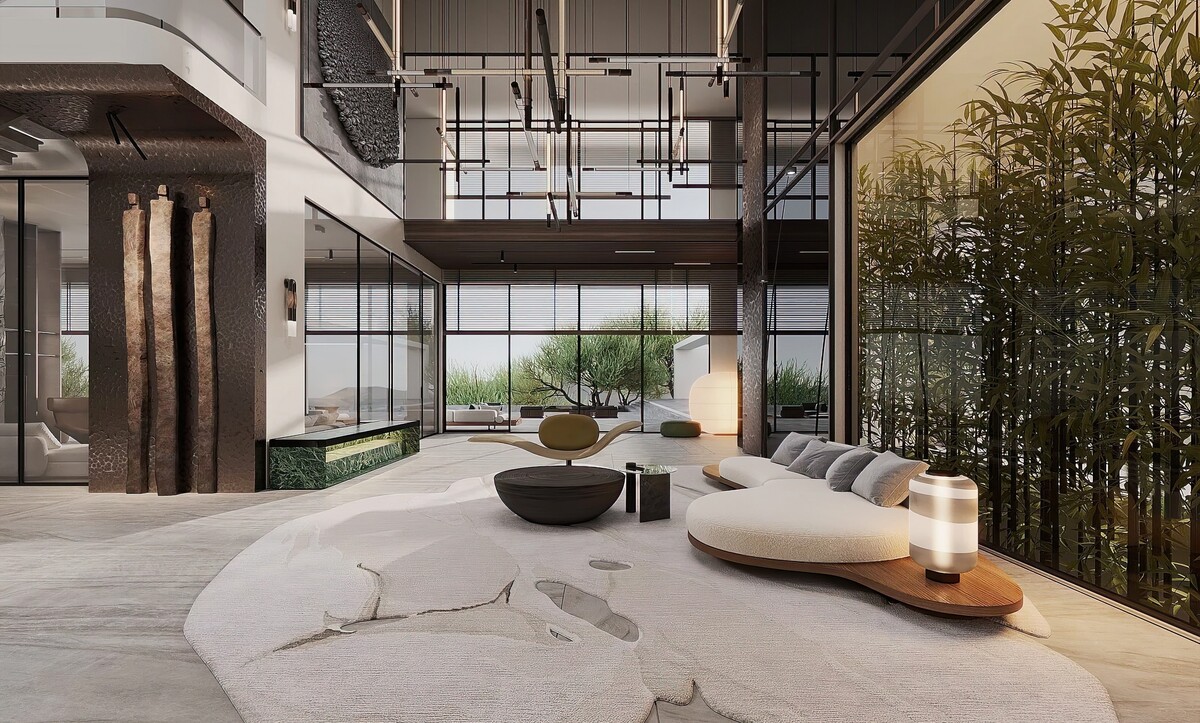
Don't be afraid to experiment. Start small, perhaps by introducing a single piece from a different style into a room that already feels comfortable. Observe how it impacts the space. Trust your instincts, and remember that the most beautiful homes are those that feel lived-in, personal, and utterly authentic. By understanding the principles of blending, you can confidently create a home that truly reflects you – a masterpiece of mixed styles without an ounce of chaos.
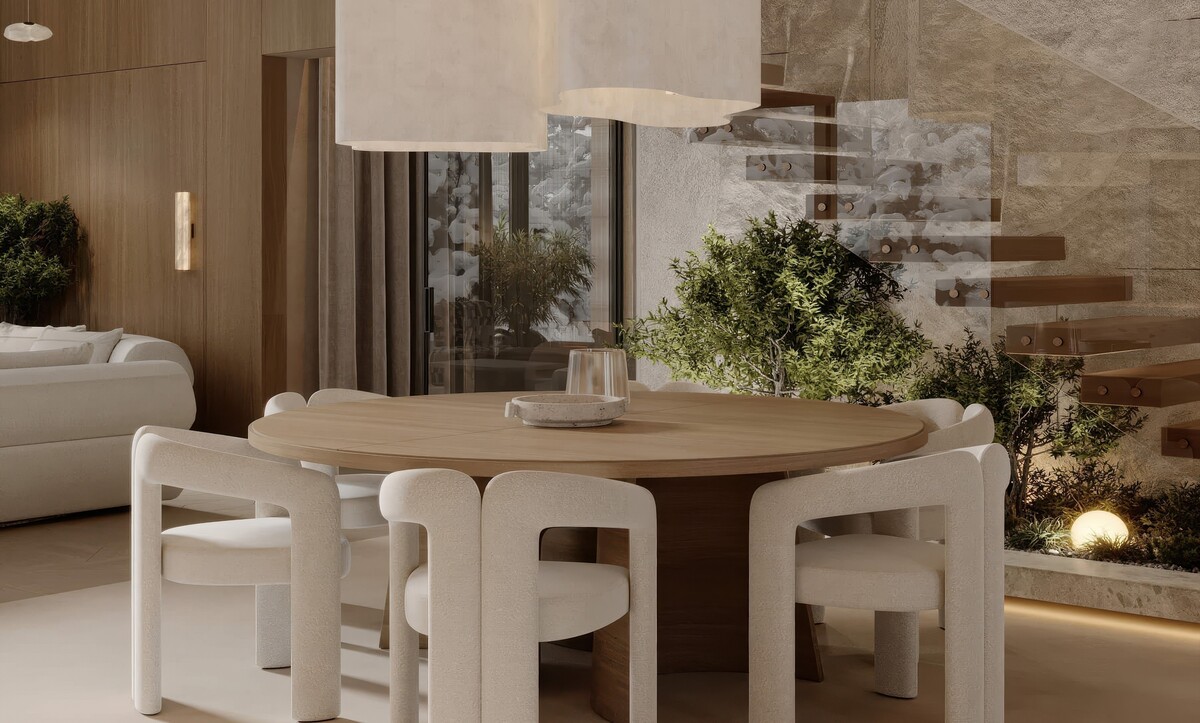
Expand Your Design Horizons
If you enjoyed learning how to mix aesthetics in this post, you may want to dive deeper into these specific styles:
- Discover Traditional Elegance: Read Algedra's blog post "Arabesque Design" to explore how this intricate art form uses rhythmic linear patterns and foliage motifs to bring a sense of spiritual harmony and luxury to interior spaces.
- Explore Organic Beauty: Read Algedra's blog post "Art Nouveau Style in Interior Design" to discover how this movement uses organic "whiplash" curves and nature-inspired motifs to create elegant, flowing spaces.
- Local Inspiration: Check out "Top 10 Interior Design Styles for Your Istanbul Apartment" for a curated look at the best aesthetics for city living, from modern minimalism to opulent Ottoman-inspired decor.
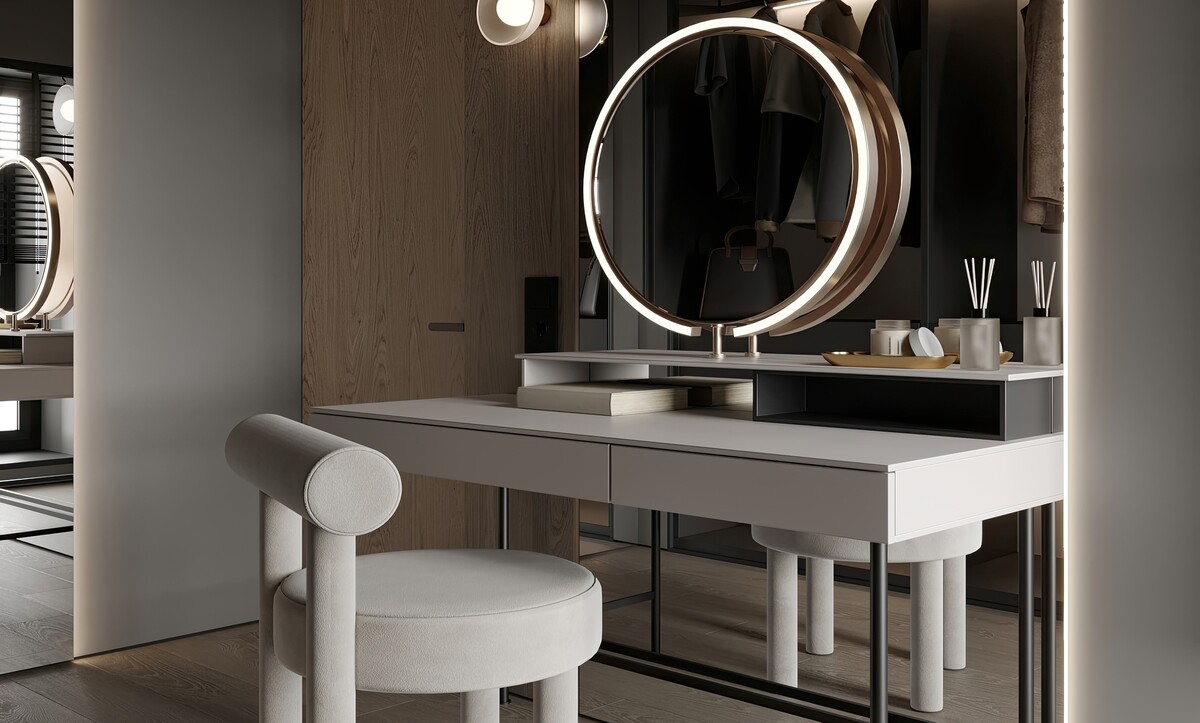
Ready to transform your home into a personalized masterpiece? Contact Algedra Interior Design today to start your journey of blending styles with professional expertise and let our designers help you create a space that is uniquely yours.